 Card
CardPokemon Card Price Guide 2026
Real-time TCG card values & market prices from TCGPlayer and CardMarket
Popular Pokemon Card Prices
Scan Your Cards →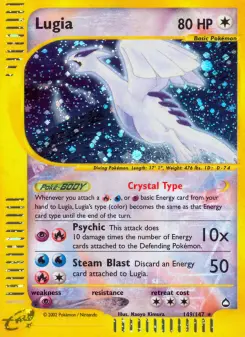 Rare
Rare
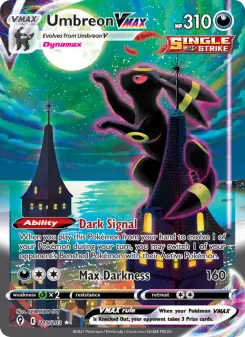 Secret Rare
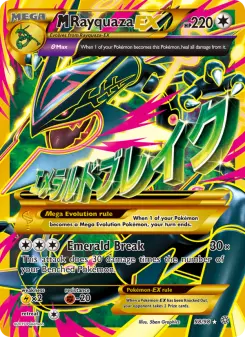 Secret Rare
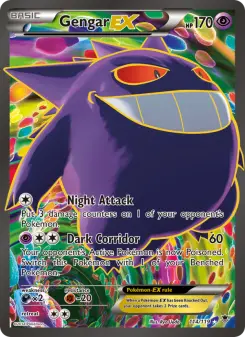 Ultra Rare
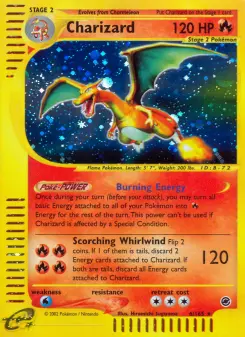 Rare
Rare
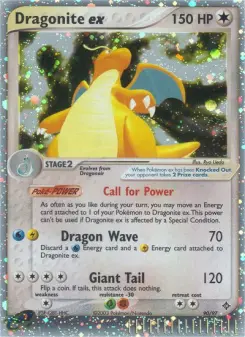 Rare
Rare
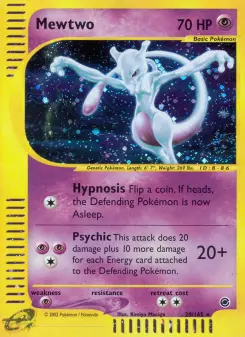 Rare
Rare
Rare
Rare
 Rare
Rare
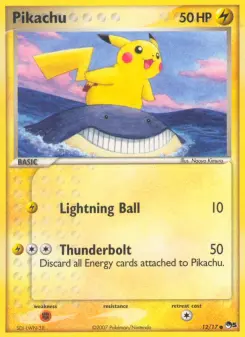 Common
How Pokemon Card Prices Work
Pokemon card prices are determined by supply and demand on the secondary market. The two largest marketplaces for Pokemon TCG cards are TCGPlayer (primarily for North American buyers) and CardMarket (primarily for European buyers). Prices fluctuate daily based on market activity, new set releases, tournament results, and collector demand.
CardScan AI pulls real-time pricing data from these marketplaces so you always see current, accurate Pokemon card values. Whether you are buying, selling, or just curious, our free Pokemon card scanner gives you instant access to market prices for any Pokemon TCG card.
What Affects Pokemon Card Value?
Rarity
The rarity symbol on a Pokemon card is one of the biggest price factors. Common cards (circle) are usually worth pennies, while Ultra Rares, Secret Rares, and Illustration Rares can be worth hundreds or thousands. Look for the rarity symbol at the bottom of the card.
Card Condition
Condition dramatically affects price. A Near Mint card can be worth 2-10x more than a Moderately Played copy. Key condition factors include centering, surface scratches, edge whitening, and corner wear. Graded cards (PSA, BGS, CGC) in top grades command premium prices.
Edition & Print Run
First Edition cards from early Pokemon TCG sets (Base Set, Jungle, Fossil, Team Rocket) carry a significant premium. The 1st Edition stamp on a shadowless Base Set Charizard, for example, can add tens of thousands to its value compared to an Unlimited version.
Holo Pattern
Holographic patterns affect value significantly. Holofoil cards are generally worth more than non-holo versions. Reverse Holo cards have a different market price. Special patterns like Cosmos Holo or unique textures on modern Alt Art cards also command premiums.
Pokemon Popularity
Iconic Pokemon like Charizard, Pikachu, Mewtwo, and Umbreon consistently command higher prices than less popular Pokemon. Fan-favorite Pokemon maintain value well, and special artwork featuring these Pokemon is particularly sought after by collectors.
Set & Age
Older sets tend to have higher values due to lower surviving supply. Vintage sets like Base Set, Neo Genesis, and Skyridge are particularly valuable. Modern chase cards from sets like Evolving Skies and Crown Zenith also carry premium prices.
Understanding Pokemon Card Price Types
When checking Pokemon card values, you will encounter several price points. Here is what each one means:
Market Price
The market price is the average recent sale price on TCGPlayer. This is generally the most reliable indicator of what a card is actually selling for right now. CardScan AI displays market prices as the primary value.
Low / High Price
The low price is the cheapest current listing available for purchase, while the high price represents the most expensive listing. The actual value of your card typically falls between these two numbers, closer to the market price.
Mid Price
The mid price is the median of all current listings. When a market price is not available (for very rare cards with few recent sales), the mid price provides a reasonable estimate of card value.
Normal vs. Holofoil vs. Reverse Holo
Many Pokemon cards exist in multiple variants. Normal (non-holo) cards have no holographic element. Holofoil cards feature a holographic image. Reverse Holo cards have holographic foiling on everything except the image. Each variant has a different market price.
How to Check Your Pokemon Card Prices
- Use the CardScan AI Scanner — The fastest way to check any Pokemon card price. Open our free card scanner, point your camera at the card, and get instant market values.
- Search by Name — Use the search bar on our homepage to look up any Pokemon card by name. View all printings and their current prices.
- Browse by Set — If you know which set your card is from, browse our complete set list to find your card and its current market value.
- Check the Card Details — Click on any card to see full pricing breakdown including Normal, Holofoil, Reverse Holo, and 1st Edition prices from both TCGPlayer and CardMarket.
- Browse by Pokemon — Browse all Pokemon cards by name to see every card for your favorite Pokemon across all sets.
- Filter by Rarity — Looking for specific rarities? Browse Illustration Rare, Secret Rare, or all rarities to find high-value cards.
- Explore by Era — Browse cards by TCG series and era, from vintage Base Set to modern Scarlet & Violet. Follow Pokemon through their evolution lines or discover cards by illustrator.
- Learn More — Check upcoming set releases, look up terms in our TCG glossary, or read the grading guide to understand how condition affects card values.
Pokemon Card Price Trends in 2026
The Pokemon TCG market continues to evolve in 2026. Vintage cards from the original Base Set, Neo Genesis, and Skyridge maintain strong values, especially in graded condition. Modern chase cards, particularly Alternate Art and Special Illustration Rare cards, have also shown strong market performance.
Key trends to watch include the growing demand for Japanese-exclusive cards, the continued popularity of graded cards (especially PSA 10 and BGS 9.5+), and the impact of new Scarlet & Violet expansions on the market. Charizard cards remain the most collected and traded Pokemon cards across all eras.
Whether you are an experienced collector tracking your portfolio or a newcomer trying to understand what your cards are worth, keeping up with Pokemon card prices is essential. Use CardScan AI to scan your cards and stay on top of current market values.
Frequently Asked Questions
How often are Pokemon card prices updated?
CardScan AI pulls pricing data from TCGPlayer and CardMarket in real time. Market prices are based on the most recent sales and listings, so you always see current values when you look up a card.
Why are some Pokemon cards so expensive?
Pokemon card prices are driven by rarity, condition, demand, and nostalgia. Cards like the Base Set 1st Edition Charizard are expensive because of extreme scarcity (few survive in top condition), massive collector demand, and cultural significance as one of the most iconic trading cards ever printed.
Are Pokemon card prices going up or down in 2026?
The Pokemon TCG market varies by segment. Vintage cards in top condition continue to appreciate, while some modern cards may fluctuate as new sets are released. The market overall remains healthy with strong collector interest. Use our price guide to track individual card values over time.
What is the most expensive Pokemon card?
The most expensive Pokemon card ever sold is the PSA 10 Pikachu Illustrator, which sold for over $5 million. Other extremely valuable cards include the 1st Edition Shadowless Base Set Charizard (PSA 10) and various trophy cards from official Pokemon tournaments. See our most valuable Pokemon cards page for a complete ranking.
How can I sell my Pokemon cards?
The most popular platforms for selling Pokemon cards are TCGPlayer, eBay, and CardMarket (in Europe). For high-value cards, consider getting them graded by PSA, BGS, or CGC first, as graded cards typically sell for more. You can also sell at local card shops or Pokemon TCG events.